
Understanding the Scope of Work in Commercial Cleaning Contracts
When managing a successful business, establishing formal commercial cleaning contracts helps maintain a professional environment for staff and patrons. These agreements function as binding documents that establish clear expectations, define specific responsibilities, and set measurable service standards between your business and the cleaning provider.
Reviewing the scope of work carefully serves as the most effective way to prevent misunderstandings, avoid service gaps, and eliminate unexpected costs. This specific section of the contract dictates exactly what tasks are performed, providing a transparent benchmark for accountability. When you thoroughly understand these parameters, you protect your business from substandard service and ensure that the provider’s rigorous standards align directly with your facility’s daily operational demands.
Navigating professional service agreements requires a clear grasp of specific contractual elements to ensure long-term service success. This guide provides an overview of the key elements included in commercial cleaning contracts, focusing heavily on how the scope of work dictates service quality.
Defining the Scope of Work in Commercial Cleaning
What a Scope of Work Includes
A properly structured scope of work outlines the specific cleaning tasks, assigned responsibilities, and exact performance expectations within a commercial contract. This document itemizes every action the cleaning crew will take, detailing daily chores alongside weekly or monthly deep-cleaning requirements. Relying on a comprehensive list ensures that fully bonded and insured professionals understand exactly which areas of your facility require attention during every scheduled visit.
Why Clear Service Descriptions Are Important
Detailed service definitions help both clients and providers maintain strict accountability throughout the duration of the professional relationship. When a contract explicitly states that a task includes sanitizing rather than simply wiping down surfaces, it establishes a verifiable standard of cleanliness. Clear descriptions remove guesswork, allowing your management team to easily verify that the cleaning provider consistently meets industry standards and fulfills their contractual obligations.
How Scope of Work Impacts Service Quality
Well-structured agreements contribute directly to consistent and reliable cleaning performance by setting measurable benchmarks for success. When specific procedures and frequencies are clearly documented, professionally trained technicians have a precise roadmap to follow during every shift. This meticulous attention to detail ensures that your facility maintains a pristine appearance, protecting your brand reputation and providing a safe, welcoming environment for everyone who enters the building.

Common Cleaning Services Included in Contracts
Routine Cleaning and Maintenance Tasks
Most commercial agreements cover common services such as dusting, vacuuming, comprehensive restroom cleaning, and daily trash removal. These fundamental tasks form the foundation of facility maintenance, ensuring that high-traffic areas remain hygienic and visually appealing during regular business hours. Specifying the exact nature of these routine chores guarantees that the provider maintains basic environmental health standards consistently across your entire workspace.
Specialized and Deep Cleaning Services
Depending on your facility’s specific needs, some contracts include specialized deep cleaning services like commercial carpet cleaning, hard floor care, exterior window washing, or advanced sanitation protocols. These advanced services typically require specialized equipment and professionally certified technicians to execute safely and effectively. Including these intensive tasks in your agreement ensures that your physical assets are preserved and your property maintains its long-term structural value.
Frequency and Scheduling of Services
Cleaning schedules are carefully customized based on facility size, daily foot traffic, and specific operational needs to minimize business disruption. A reliable provider will assess your operating hours and peak usage times to determine the most effective frequency for both routine maintenance and intensive deep cleaning. Structuring the timeline clearly in the contract ensures that cleaning activities support your operations rather than interfering with your daily workflow.
Understanding Responsibilities and Expectations
Responsibilities of the Cleaning Service Provider
The obligations cleaning companies must fulfill include providing properly trained staff, supplying commercial-grade equipment, and adhering strictly to the agreed-upon standards. Professional providers must also maintain comprehensive liability insurance, conduct rigorous background checks on all employees, and ensure compliance with occupational safety regulations. Documenting these specific duties guarantees that the vendor operates safely and professionally while on your property.
Client Responsibilities and Facility Access
Businesses also play a vital role in supporting smooth cleaning operations by fulfilling specific client responsibilities outlined in the agreement. Your organization must typically provide secure facility access, ensure proper lighting and climate control during cleaning hours, and communicate any sudden changes in operational schedules. Establishing these reciprocal duties helps the cleaning technicians perform their tasks efficiently and safely without unnecessary delays.
Setting Performance Expectations and Standards
The importance of measurable service expectations cannot be overstated when establishing quality assurance protocols for your facility. Contracts should define what constitutes a completed task, detailing the exact criteria used to evaluate the cleanliness of restrooms, workspaces, and public areas. Setting clear standards allows you to monitor consistency and hold the provider accountable for maintaining a safe, spotless environment.
The Importance of Customization in Cleaning Contracts
Tailoring Services to Different Industries
Different environments, such as corporate offices, healthcare facilities, academic schools, and retail spaces, require highly customized cleaning approaches to meet industry-specific standards. A medical clinic demands rigorous sanitation protocols to prevent cross-contamination, whereas a standard office may prioritize general dusting and waste management. Tailoring the contract to your exact industry ensures that the cleaning provider utilizes the correct chemicals, techniques, and compliance measures.
Adjusting Contracts Based on Facility Needs
Flexible service plans are important for evolving operational requirements, allowing your cleaning contract to scale alongside your business growth. If your company expands its square footage or shifts to a 24-hour operational model, your cleaning requirements will inevitably change.
Balancing Budget and Cleaning Priorities
Businesses can customize contracts to align with both essential cleaning goals and strict financial considerations without sacrificing environmental health. By prioritizing critical high-traffic zones and reducing the frequency of maintenance in low-impact areas, facility managers can optimize their cleaning investments.

Reviewing Pricing and Contract Terms
Understanding Pricing Structures and Billing
Cleaning contracts generally utilize specific pricing models, including hourly rates, monthly flat-rate retainers, or customized pricing structures based on square footage. Understanding exactly how the billing is calculated allows your accounting department to forecast facility maintenance expenses accurately.
Identifying Additional Fees and Service Limitations
Reviewing specific exclusions, overtime charges, or specialty service fees remains a critical step in preventing unexpected billing surprises. Many contracts charge extra for emergency cleanups, post-construction detailing, or the restocking of consumable supplies like paper towels and hand soap.
Contract Length, Renewals, and Cancellation Policies
Businesses should understand contract timelines, automatic renewal clauses, and early termination terms before signing any service agreement. Knowing the exact duration of the commitment and the required notice period for cancellation provides your business with operational flexibility.
Quality Control and Performance Monitoring
How Cleaning Quality Is Evaluated
Professional service providers utilize specific methods such as routine site inspections, detailed digital checklists, and regular performance reviews to monitor service standards. These quality control measures offer tangible evidence that the technicians are completing the daily and weekly tasks outlined in the scope of work. Implementing structured evaluation protocols guarantees that the vendor consistently delivers the high-quality results your business expects.
The Role of Communication and Feedback
Ongoing communication helps resolve minor concerns swiftly and serves to improve service consistency over the duration of the contract. Establishing a designated point of contact and scheduling regular review meetings allows facility managers to discuss performance trends directly with the cleaning vendor.
Addressing Service Issues and Corrections
Having formalized procedures in place for handling complaints or missed tasks is essential for maintaining a positive vendor relationship. The contract should outline specific response times for correcting deficiencies, ensuring that any overlooked areas are addressed before they impact your business operations.
Questions Businesses Should Ask Before Signing
Are Services Clearly Defined in the Contract
Businesses should ensure every task, frequency, and specific responsibility is documented clearly before signing a formal agreement. Ambiguous language often leads to poor service execution, so you must verify that the scope of work lists exact duties rather than general promises. Asking for clarification on vague terms ensures that your facility will receive thorough, consistent maintenance.
What Safety and Compliance Standards Are Followed
Verifying compliance with strict health, safety, and environmental regulations guarantees that the provider operates responsibly within your building. You must ask whether the cleaning technicians are fully insured, properly bonded, and trained to handle commercial-grade cleaning chemicals safely. Confirming these credentials protects your business from liability and ensures a safe working environment for your own employees.
How Flexible Is the Contract for Future Needs
Scalable and adaptable agreements offer significant value for growing businesses that anticipate changes in their facility usage. Asking how easily the provider can adjust service frequencies or add new specialized tasks ensures that the partnership remains viable long-term.
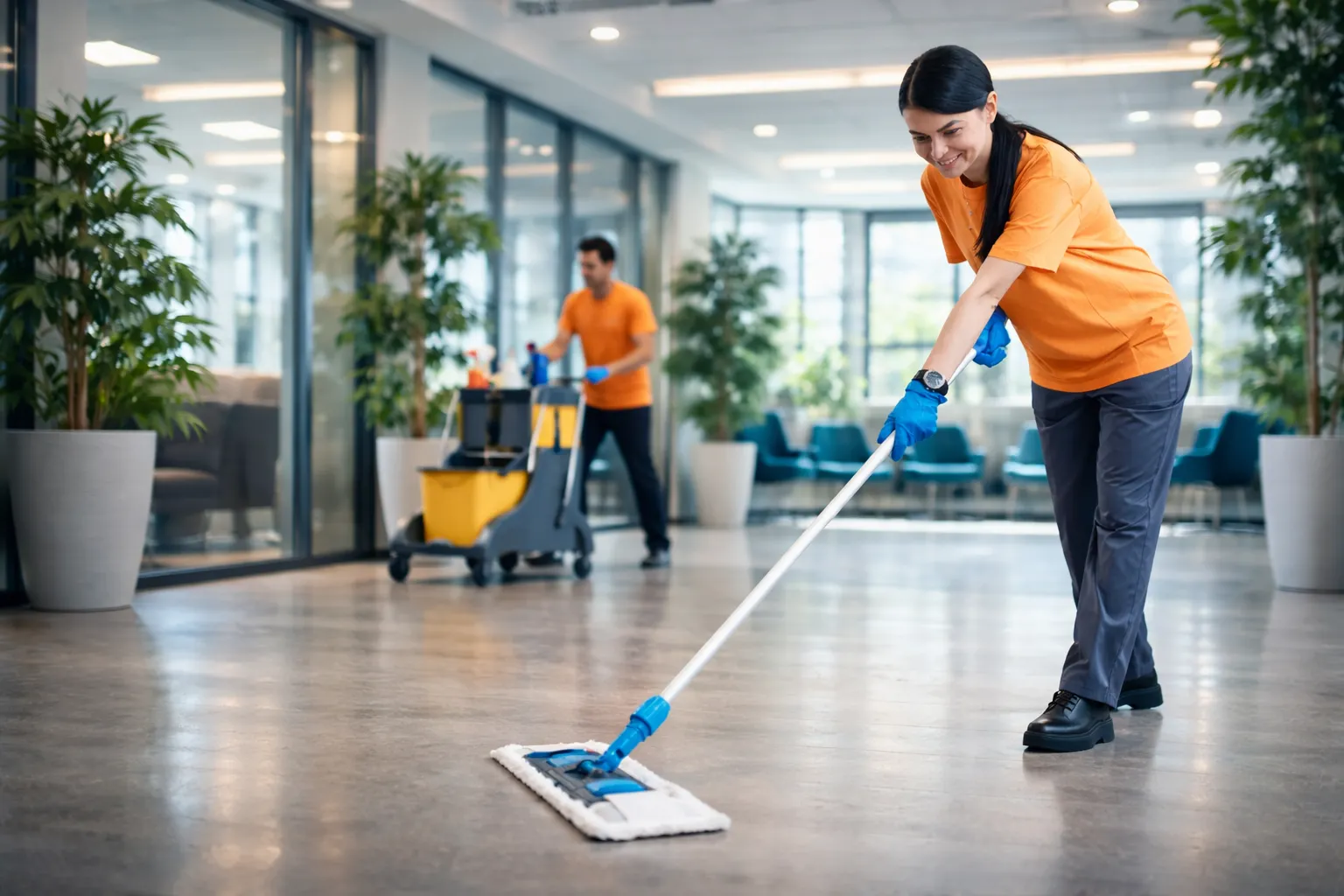
How Signature Cleaning Concepts, LLC Supports Transparent Cleaning Agreements
Customized Cleaning Contracts for Diverse Facilities
Signature Cleaning Concepts, LLC develops tailored commercial agreements based entirely on each client’s specific operational needs and industry standards. By conducting thorough initial facility assessments, the company identifies exact requirements to build a highly accurate scope of work.
Commitment to Clear Communication and Service Quality
Transparency and reliability help build strong, long-term client relationships that are based on mutual trust and consistent execution. Signature Cleaning Concepts, LLC prioritizes open dialogue, providing clients with accessible support channels and regular quality assurance check-ins.
Reliable Cleaning Solutions Designed for Consistency
The company’s focus on delivering dependable cleaning services ensures that daily performance aligns perfectly with the established contract expectations and facility goals. Employing fully insured and rigorously background-checked technicians, Signature Cleaning Concepts, LLC executes every task with precision. Relying on this structured approach guarantees a spotless environment that leaves a lasting positive impression on visitors and staff alike.
Building Long-Term Success with Clear Cleaning Contracts
Reviewing commercial cleaning contracts carefully helps businesses avoid operational confusion and maintain strict service quality across the board. The scope of work acts as the blueprint for facility health, defining every task required to keep your building safe and presentable.
Businesses are encouraged to prioritize complete transparency, deep customization, and strict accountability when evaluating and choosing a cleaning provider. Setting distinct performance benchmarks and maintaining open lines of communication prevents small oversights from becoming major operational disruptions.
Detailed cleaning contracts create more efficient, highly reliable, and successful long-term service relationships between businesses and their vendors. When all responsibilities are formally documented and properly executed by professionally trained staff, facility managers gain true peace of mind. Taking these factors into account will help you find a cleaning partner that keeps your business environment clean, professional, and welcoming.
https://www.google.com/maps?cid=5464939504344514741


